

This summer hosts the FIFA World Cup, and it’s set to be the largest commercial tournament in history. With total revenues projected to reach $10.9 billion - a 56% increase compared to Qatar 2022 - and sponsorship revenues alone expected to exceed $2.8 billion, the commercial stakes have never been higher.
For many brands, official involvement is simply out of the question - these partnerships typically cost between £50-75 million and are now completely sold out anyway.
But here’s where it gets interesting. With 48 teams, 104 matches, 6.5 million expected stadium attendees, and an anticipated global audience of 5 billion fans, the cultural moment extends far beyond FIFA’s official programme. The real opportunities might just belong to the scrappy, creative brands willing to think outside the corporate playbook.
We’ve come up with some disruptive ways brands of all sizes can win big this summer. From cultural hijacking to brand houses, there are countless ways to score without the FIFA price tag. Founder Sam Ward, formerly of Gymshark and Snap, shares his blueprint for capitalising on football’s biggest stage.
Formal Sponsorship - The Billion-Dollar Question
FIFA World Cup 2026 sponsorship investments typically range from £52-76 million for global sponsors, with FIFA Partners enjoying worldwide rights across every FIFA competition throughout the entire four-year cycle, appearing prominently in stadium branding, media broadcasts, digital campaigns, and hospitality programmes. For that eye-watering sum, brands get global visibility to five billion fans worldwide and access to the most watched sporting event on the planet.
The benefits are undeniable - just ask Hisense, which has renewed its global partnership for the fourth consecutive World Cup since 2018, demonstrating the brand’s commitment to leveraging football’s global reach. For established global brands with matching budgets, the return on investment can be transformative, delivering brand awareness at an unparalleled scale.
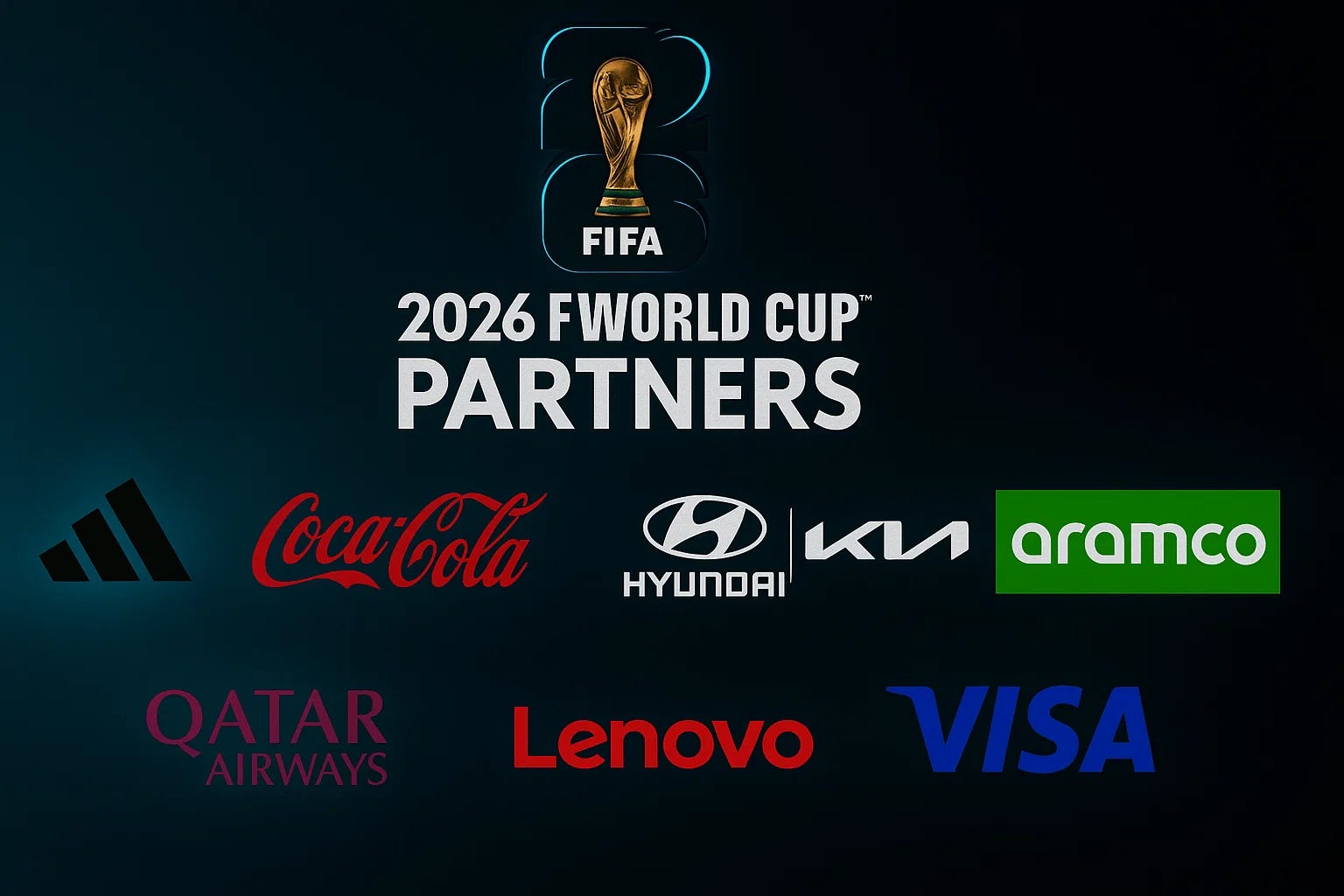
But let’s address the elephant in the boardroom: is dropping £60 million really worth it for most brands? When you’re competing for attention amongst 16 other global sponsors and countless regional partners, the question becomes whether you’re buying visibility or just expensive wallpaper. The real challenge is that formal sponsorship often becomes a corporate handshake exercise rather than meaningful brand storytelling.
1. Brand Houses - The Olympics Playbook That Football Forgot
Remember Nike’s incredible Casa do Jogo during the Brazil World Cup, or the nation houses that dominated London 2012? It’s baffling that more brands haven’t cottoned on to this for football’s biggest stage. Every host city will have an official FIFA Fan Festival, but the real opportunity lies in creating your own destination.
Imagine opening a Nike House in Paris during the tournament, a Stone Island clubhouse in Berlin, or a Palace flagship experience in London - all themed around the World Cup but distinctly your brand. These spaces become cultural destinations that house private watch parties, brand partnerships, meet and greets with football personalities, and crucially, a retail experience that captures the tournament’s emotional peak.
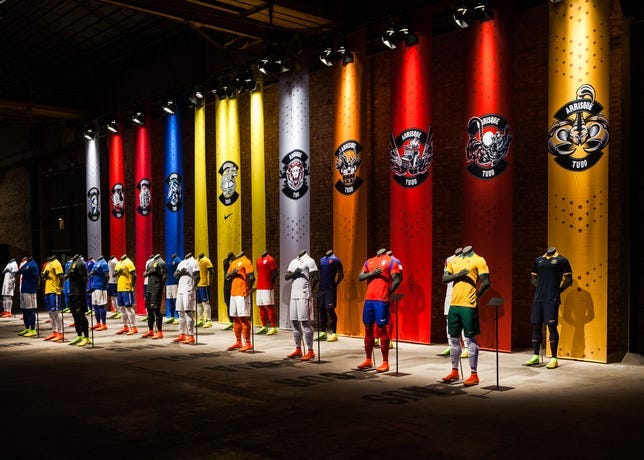
Unlike static stadium advertising, a brand house creates genuine community and becomes a pilgrimage site for your target audience. The beauty is in the flexibility - you can activate when your sponsored teams play, create content throughout the tournament, and establish a presence in footballing capitals without the FIFA price tag. With this tournament spanning three countries, four time zones across sixteen host cities, the opportunity exists in any major football-loving city, not just the host venues.
2. Long-Form Content - Travel Storytelling Gold
This World Cup is unprecedented in scale, with nearly 3,000 miles between the furthest stadiums, three countries, and a tournament that’ll test even the most dedicated travelling supporters. That geographical challenge becomes content gold for the right brand partner.
Picture a documentary series sponsored by a travel brand, following a group of travelling fans as they attempt to see every match across North America. Or imagine a fashion brand creating a style guide series that explores the intersection of football culture, local fashion, and streetwear across different host cities. The scale of this tournament creates natural narrative tension that traditional World Cups couldn’t offer.
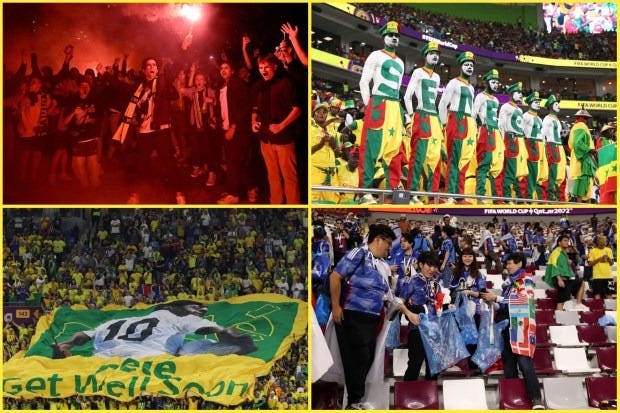
The content possibilities are endless: exploring the contrast between Mexico City’s altitude and Miami’s humidity, documenting how different cities celebrate football, or creating a foodie’s guide to match day experiences across three nations. With 6.5 million expected stadium attendees across North America and countless more travelling between cities, there’s a ready-made audience hungry for this type of travel and cultural content.
3. Cultural Hijacking - Where the Real Party Happens
The way we consumer major sporting events has radically changed. The atmosphere at fan parks like Boxpark often generates more buzz than the actual stadiums. Players themselves admit they can’t wait to watch the celebrations after crucial victories because that’s where the raw emotion lives.
Fan zones are often open and free, making them the most accessible touchpoint for brand activations targeting both local and international audiences. When the party inevitably spills onto the streets (and trust me, it will) your brand can be front and centre of guaranteed viral moments.
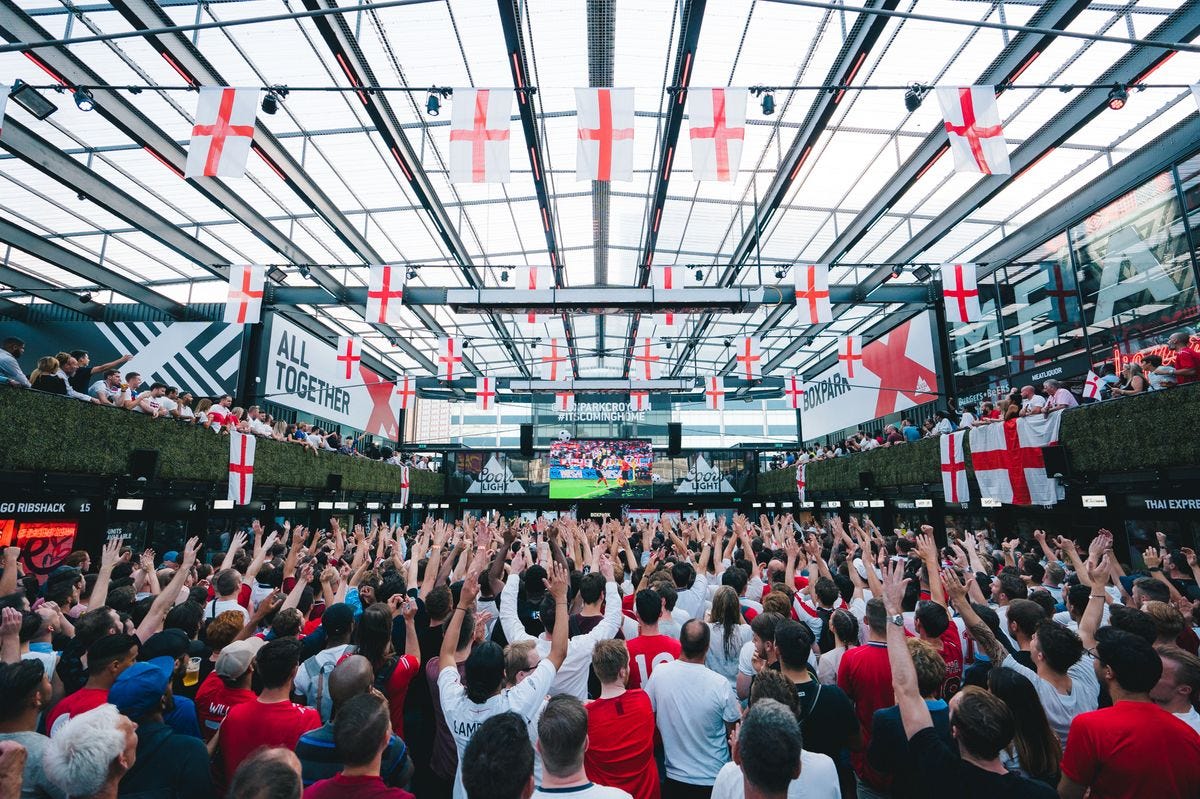
The beauty of cultural hijacking is that it’s reactive and authentic. Set up branded experiences around major fan zones, sponsor local pubs during key matches, or create mobile activations that follow the crowds. Win or lose, the tears and celebration will be captured in 4K and shared millions of times. Your brand logo in the background of those moments? Priceless.
This approach works particularly well for challenger brands that understand culture moves faster than corporate marketing departments. Be where the people are, not where FIFA tells you to be.
4. Competition - The People’s World Cup
Let’s be brutally honest about the state of World Cup accessibility. Category 1 group stage tickets for USMNT matches cost £50 at the 1994 World Cup (£89 in today’s money), but the equivalent ticket for 2026 has a face value of £560. Train fares to MetLife Stadium are hitting £120 return, nearly 12 times the regular £10 fare. FIFA’s pricing strategies make it more likely that only the wealthiest fans will be in attendance, pricing out passionate, loyal enthusiasts.
For smaller brands, this creates a golden opportunity. Launch a competition that sends real fans to matches they could never afford. Partner with a travel company, sponsor flights and accommodation, and document the journey. The narrative writes itself: “When FIFA priced out the fans, [Brand Name] stepped in.”
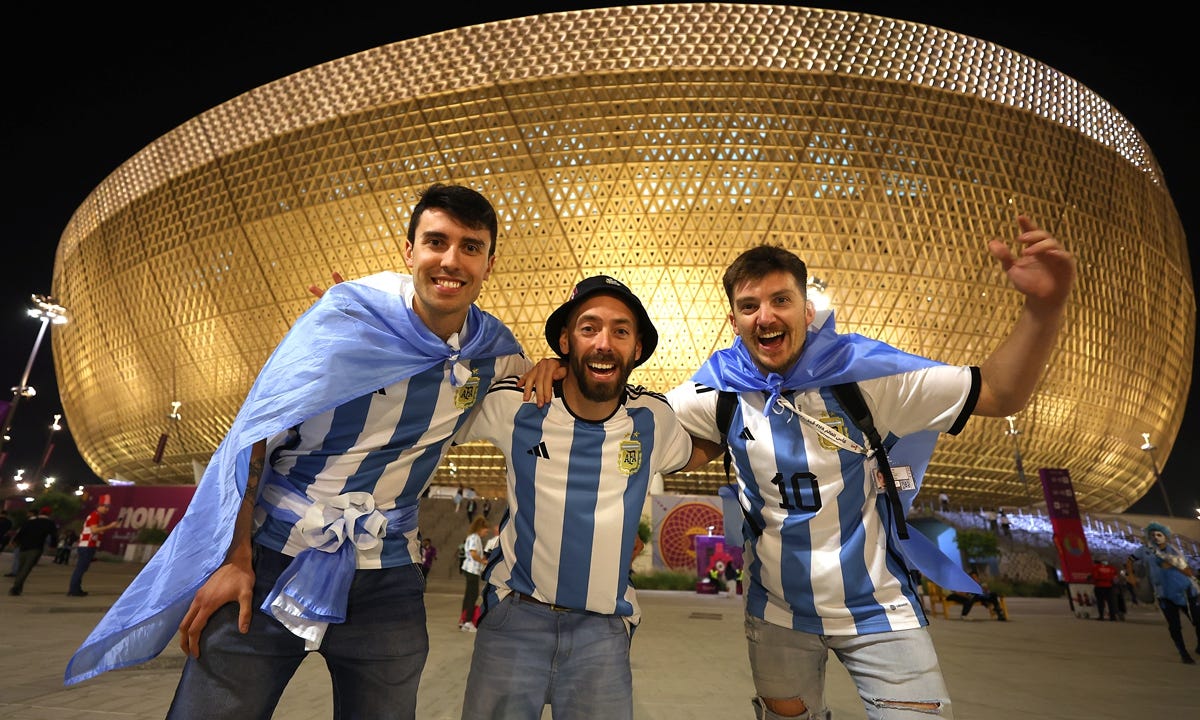
This isn’t just about the prize, it’s about positioning your brand as being on the side of real football culture versus corporate greed. The competition generates natural social media engagement through entries, builds an email database of football-obsessed customers, and creates content opportunities that humanise your brand.
The investment is relatively modest - a few thousand pounds for flights and tickets - but the return in brand affinity and social reach can be massive. Plus, you’re genuinely doing something good for the football community whilst FIFA counts their billions.
5. Grassroots Merchandise Collaborations
While FIFA controls all official merchandise through strict licensing, there’s a massive opportunity in grassroots football culture products that most brands are missing. Football-related merchandise is forecast to hit $6.83 billion in sales this year, with sharp spikes during World Cup years.
The clever bit is creating collections around football culture rather than the tournament itself. Think Supreme’s approach to cultural moments - create limited drops using national colours, football heritage designs, and “summer of football” themes without crossing FIFA’s legal boundaries. Partner with local artists in footballing nations or collaborate with independent designers on “football culture” pieces.
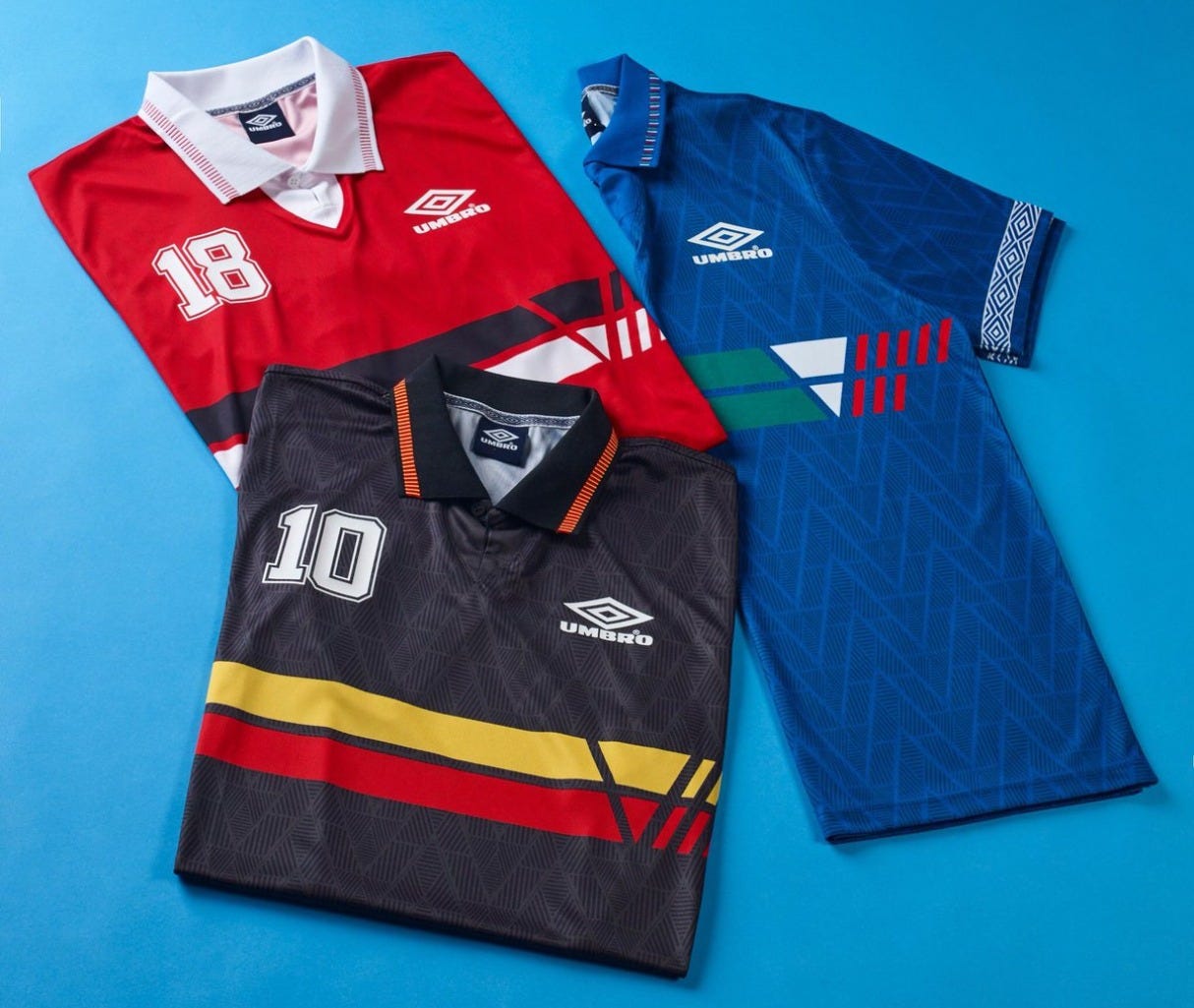
This approach works particularly well for streetwear and lifestyle brands that understand football’s intersection with fashion and culture. You can move faster than corporate marketing departments, be more culturally relevant, and create products that actually resonate with football fans rather than committee-designed FIFA merchandise, all without the licensing fees.
The Beautiful Game vs. The Bottom Line
The 2026 World Cup represents opportunity for all budgets and brand sizes. The key is always creating a hook and narrative that not only generates impressions but communicates what your brand stands for. Too often, big sponsorship becomes a soulless corporate exercise focused on executive hospitality rather than genuine storytelling.
For disruptive brands willing to think differently, this summer offers countless ways to score big without the FIFA price tag. Whether you’re opening a brand house, hijacking the cultural moment, or simply giving real fans the experience they deserve, the most memorable campaigns often happen outside the official programme.
The beautiful game belongs to the people, not the boardrooms. The brands that remember this truth will be the ones lifting the marketing trophy come July. At Playmaker Creative Club, authenticity within fandom is one of our key drivers. We’re all fans at heart, and want to enrich the sports we love so much, not subtract from them. If you and your brand want to find innovative ways to capitalise on this summer of sport, then contact sam@playmakercreative.com to set up a free chat.
Follow Playmaker Creative Club on Instagram, LinkedIn and Substack for more expert insight into sport, fashion and culture.

Taking notes… 📝